2026-08-15 · Mike Rossi
Trenton Building Codes That Affect Roof Projects
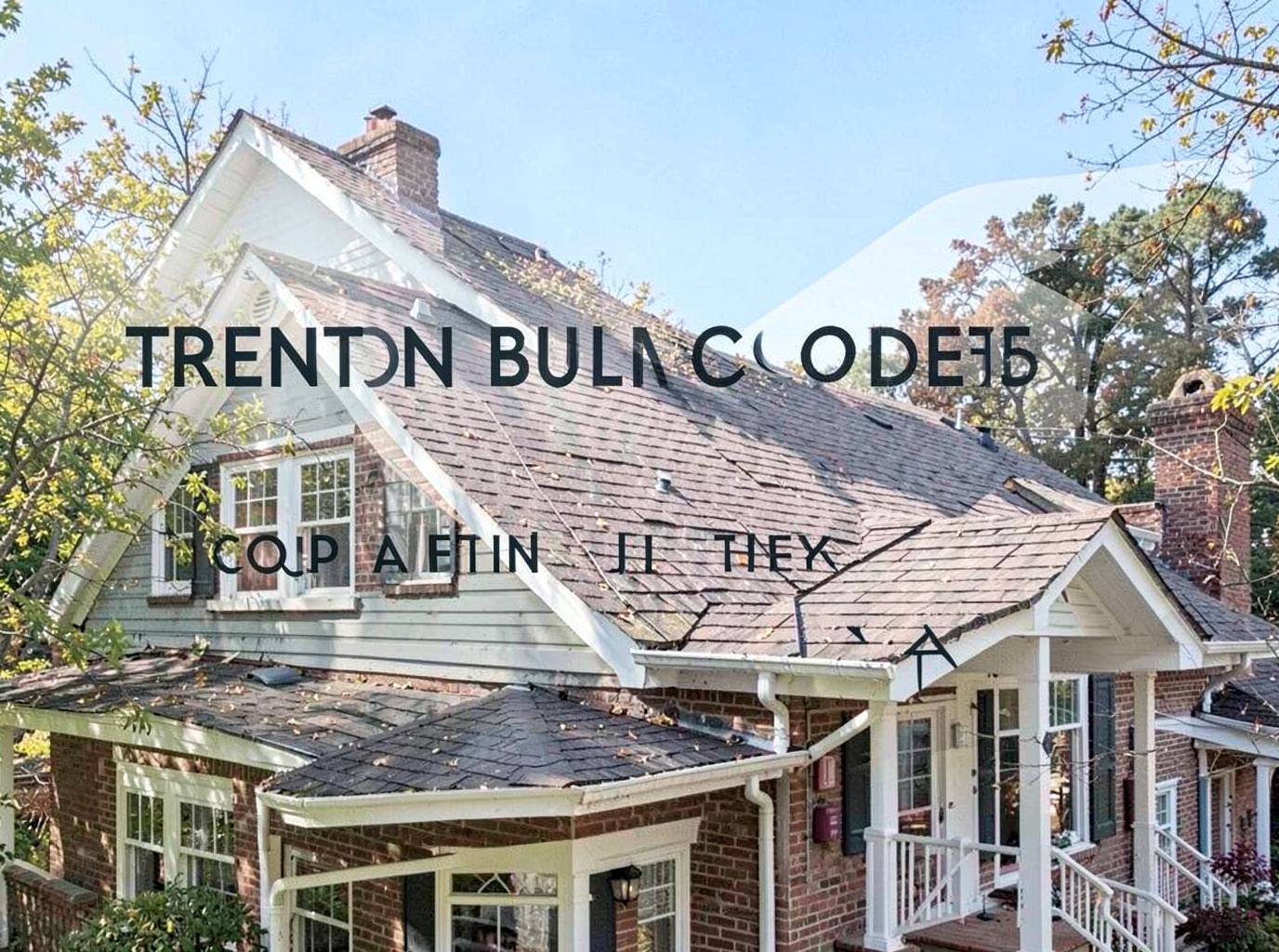
Trenton building codes require a permit for any roof replacement or repair that covers more than 100 square feet, and inspectors check for 90 mph wind uplift ratings plus full ice barriers on the lower six feet of every slope. That rule hits hard in cold winters when meltwater refreezes at the eaves.
What permit rules apply to roof projects in Trenton?
Mercer County pulls permits through the city building department at 319 E State St. You need plans, material specs, and a licensed contractor number before work starts. Most jobs in Chambersburg and North Trenton take 5 to 10 business days for approval. Skip the permit and you can face stop-work orders plus fines that run $500 to $2,000. Homeowners in Mill Hill often learn this the hard way when they try to patch a few squares without filing. We always pull permits because inspectors know the local housing stock and will flag missing step flashing or undersized drip edge on older row homes.
How do wind and snow loads affect your roof in Mercer County?
Trenton sits in a humid subtropical zone with hot summers and cold winters, so codes demand 90 mph basic wind speed and 20 psf ground snow load. That means asphalt shingles need six nails per shingle in high-wind zones and metal panels must use clips rated for uplift. East Trenton homes near the river see extra wind exposure, so we add extra ridge vents and hurricane ties on gable ends. Cadwalader Park area roofs also need 36-inch ice-and-water shield because freeze-thaw cycles push water under shingles fast. Miss these details and insurance claims get denied after a nor'easter.
What material and flashing standards does the code demand?
Code requires 15-pound felt or synthetic underlayment on slopes 4:12 and steeper, plus self-adhered ice barrier at eaves, valleys, and around chimneys. Flashing must be 26-gauge galvanized or better, and step flashing has to extend 4 inches up the wall. South Trenton brick homes often need custom counter flashing because old mortar joints leak. We use lead on slate repairs because code still allows it on historic structures near the New Jersey State House. Skip the big-box sealant on boots and vents; inspectors want proper neoprene boots bedded in roofing cement, not caulk that cracks in two summers.
What does roof work cost under these codes?
A permitted asphalt shingle replacement runs $4.50 to $7.50 per square foot installed, including ice barrier and upgraded flashing. Metal roofs start at $9 to $14 per square foot because of the clip and underlayment requirements. Flat roof repairs with EPDM average $3.50 to $6 per square foot but jump when you add tapered insulation to meet drainage rules. These numbers include the permit fee of $150 to $300. Expect an extra $800 to $1,200 if the inspector requires new plywood on 30-year-old decks in East Trenton.
When should you DIY and when call a pro?
You can handle minor gutter cleaning and replacing a few ridge cap shingles yourself as long as you stay off the second story and keep the work under 100 square feet. Once you hit flashing around chimneys, skylights, or need to match existing wind-rated shingles, stop. Code inspections and insurance paperwork require a licensed contractor. We offer roof inspection before any permit application so you know exactly what the city will flag. For full jobs, roof repair crews handle the paperwork and pass the first time.
If your project needs a code check, stop by 21 Clark St or call for same-day service.